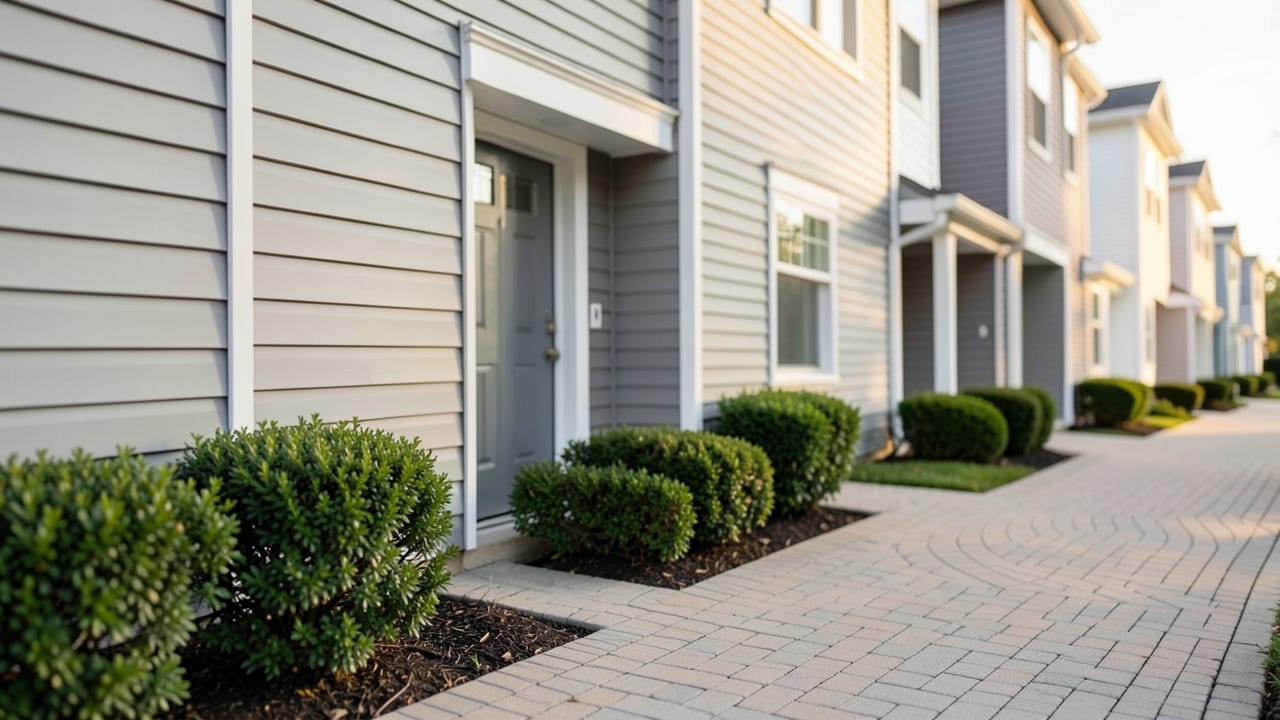
HOA Mold Remediation
Professional mold removal and remediation for HOA properties to restore safe, healthy living conditions.
HOA mold remediation in Park Hall, MD addresses mold growth in shared or individual residential spaces, including basements, bathrooms, and HVAC systems. This process involves containment, safe removal of affected materials, and cleaning to prevent recurrence, following strict industry protocols to minimize spore spread and ensure proper drying and testing.
When is HOA mold remediation needed?
Mold growth in Park Hall homes often starts small but can quickly become a larger issue if ignored. Visible signs include patches larger than a few square feet, recurring growth after cleaning, or a persistent musty odor—especially when the HVAC system is running.
We also handle Mold Testing & Air Quality Testing and Mold Removal & Remediation for Park Hall properties.
These indicators suggest hidden moisture or extensive contamination that requires professional intervention.
Moisture sources like leaks, poor ventilation, or high humidity create ideal conditions for mold. Without addressing the root cause, even thorough remediation may not prevent regrowth. Homeowners should also watch for mold in less obvious places, such as behind walls, under flooring, or inside ductwork, where it can spread undetected.
Signs Mold Remediation Is Needed
- Mold covering more than a small, isolated patch (typically over 25 contiguous square feet).
- Recurring mold growth in the same spot after cleaning attempts.
- A musty smell with no visible mold, especially when HVAC runs.
- Visible mold in shared HOA areas like basements or common HVAC systems.
What affects pricing and timing?
HOA mold remediation costs vary based on the scope of the work, including the size of the affected area, the type of materials involved, and the need for containment or clearance testing.
Unlike commercial projects, residential pricing is typically project-specific rather than per-square-foot, as each home’s layout and contamination level differ.
The process also depends on drying time, which varies with humidity levels and the materials being treated. Industrial dehumidifiers and air movers are used to ensure structural framing and subfloors dry completely before containment is removed, a step critical to preventing future growth.
What to expect during the process
A professional HOA mold remediation team follows a structured approach to minimize disruption and ensure safety. Containment is established first to prevent spores from spreading, using plastic sheeting and negative-air machines. This step is critical, as even small breaches can turn a contained job into a larger contamination issue.
After containment, affected porous materials like drywall or insulation are removed and bagged, while non-porous surfaces are cleaned and treated. HEPA-filtered equipment is used throughout to capture spores, and post-remediation clearance testing confirms the work area is safe before containment is removed.
Skipping containment or using non-HEPA equipment can recirculate spores, increasing the risk of spread to unaffected areas.
How HOA mold remediation works
- 1Containment Setup
Plastic sheeting and negative-air machines seal the work area to prevent spores from spreading during removal.
- 2Material Removal and Cleaning
Porous materials like drywall are cut out and bagged, while non-porous surfaces are scrubbed and treated to remove mold.
- 3Structural Drying
Industrial dehumidifiers and air movers dry framing and subfloors to normal moisture levels before containment is removed.
- 4HEPA Filtration and Cleanup
HEPA air scrubbers and vacuums capture spores during the process, ensuring no cross-contamination.
- 5Clearance Testing
An independent test confirms spore counts are back to normal before the area is considered finished.
Frequently asked questions
How do I know if my HOA mold issue requires professional remediation?
If mold covers more than a few square feet, keeps returning after cleaning, or you notice a musty smell without visible growth, professional remediation is likely needed. Hidden moisture sources or contamination in shared areas like HVAC systems also signal the need for expert intervention.
Will mold come back if it’s not the first time it’s been cleaned?
Recurring mold often means the moisture source wasn’t fixed. Remediation removes visible growth, but without addressing leaks, humidity, or poor ventilation, the same conditions will lead to regrowth. A professional can identify and resolve these underlying issues.
Do I need to be home during the remediation process?
While you don’t need to stay on-site, it’s helpful to be available for questions or to monitor containment. The team will seal the work area, but unexpected issues—like hidden mold in walls—might require your input before proceeding.
How long does the entire process take?
The timeline depends on the size of the affected area and drying requirements. Containment, removal, and drying typically take 3–7 days, with clearance testing adding another 1–3 days. Humidity levels in Park Hall can extend drying time.
See Taylors Island, MD for more, or browse what we cover for Park Hall properties at a glance for our complete lineup.
Ready to get started?
Talk to a local mold remediation pro in Park Hall — get a written quote.
Other Mold Remediation Services in Park Hall
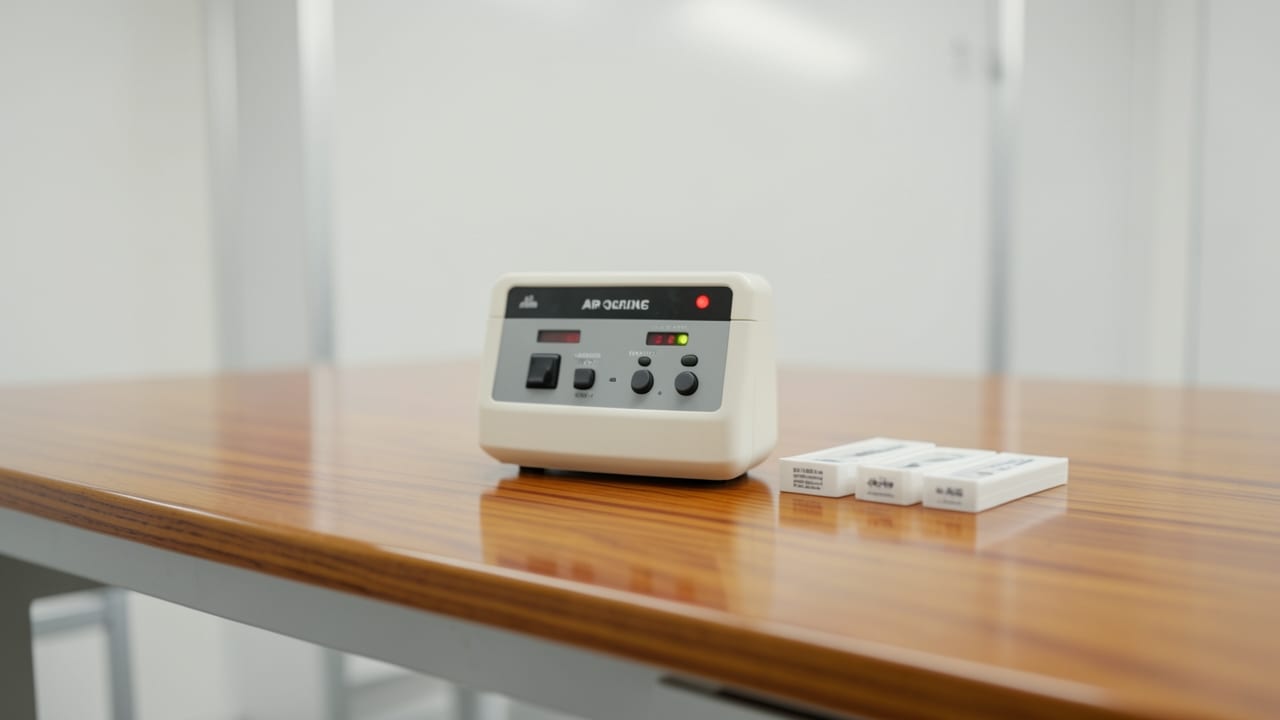
Mold Testing & Air Quality Testing in Park Hall, MD
Mold and indoor air quality testing in Park Hall, MD — lab-analyzed air and surface samples confirm what's actually growing and whether it's airborne.
Learn More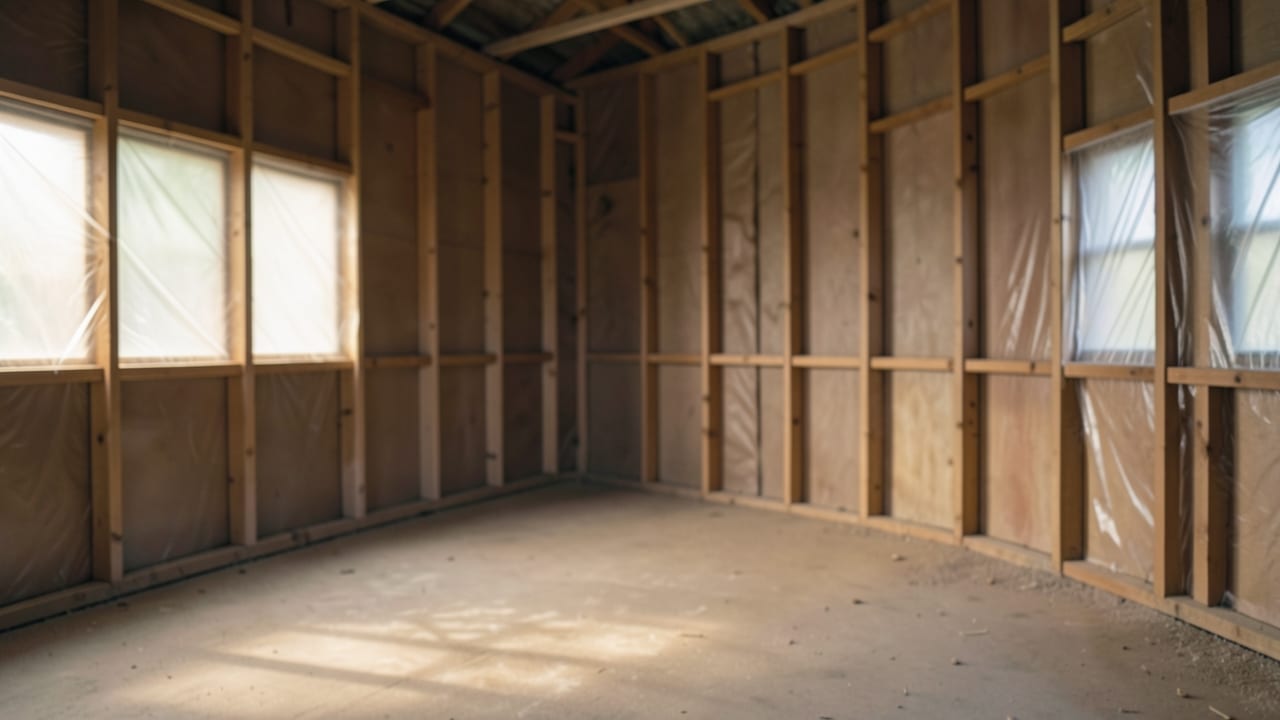
Mold Removal & Remediation in Park Hall, MD
Mold removal and remediation in Park Hall, MD — containment, HEPA filtration, and removal of affected material following industry (IICRC S520) protocol.
Learn More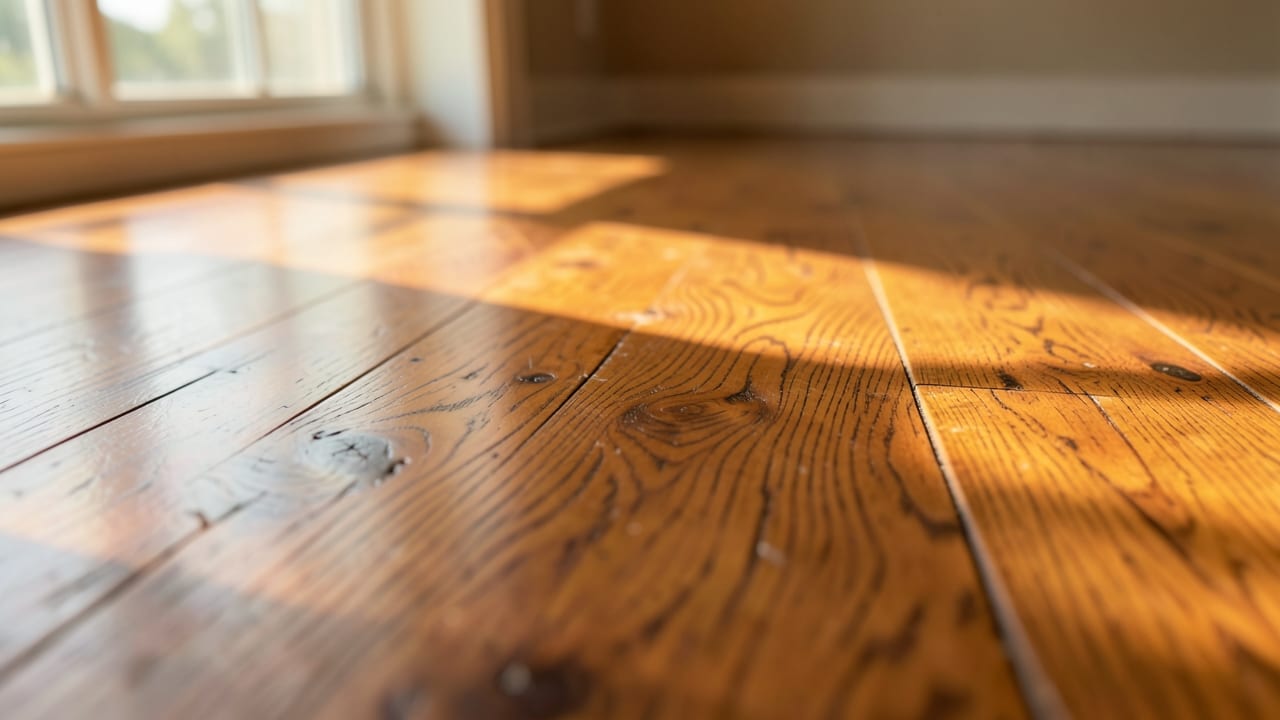
Water Damage Restoration in Park Hall, MD
Water damage restoration in Park Hall, MD — extraction and structural drying to stop mold growth before it starts, following a leak, storm, or flood.
Learn More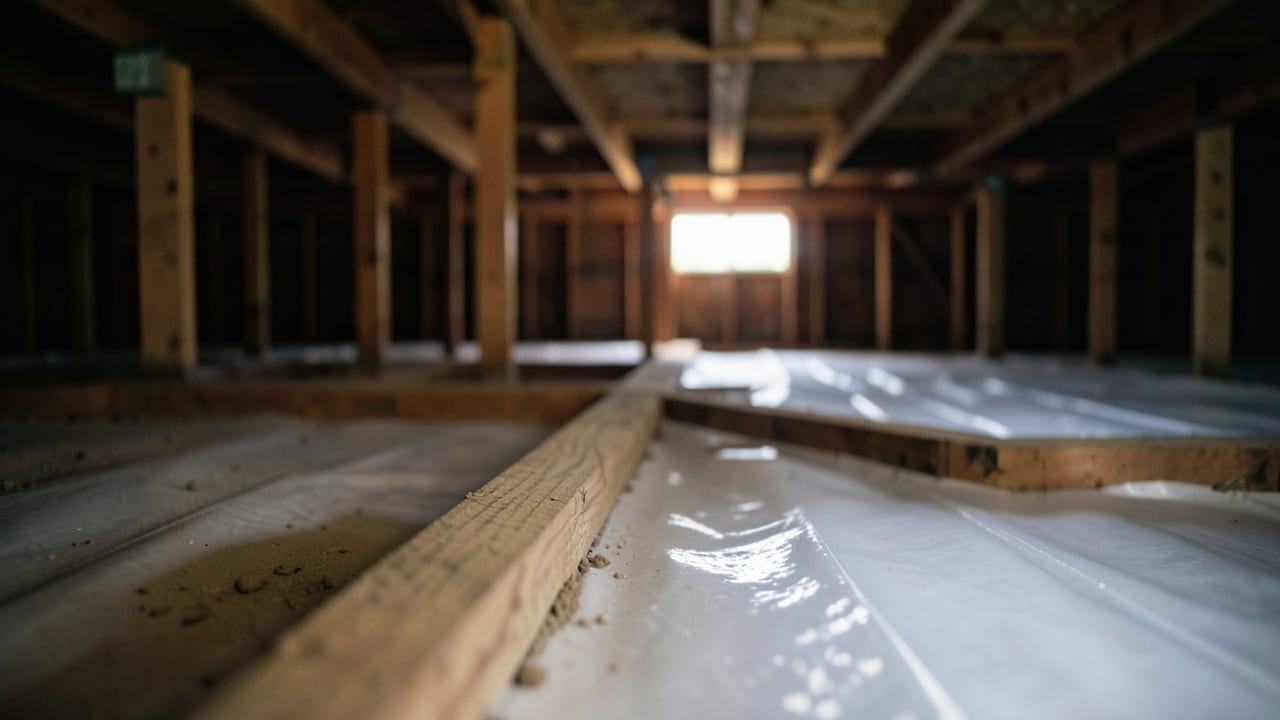
Crawl Space & Basement Mold Remediation in Park Hall, MD
Crawl space and basement mold remediation in Park Hall, MD addresses the two areas of a property most prone to trapped, unnoticed moisture.
Learn More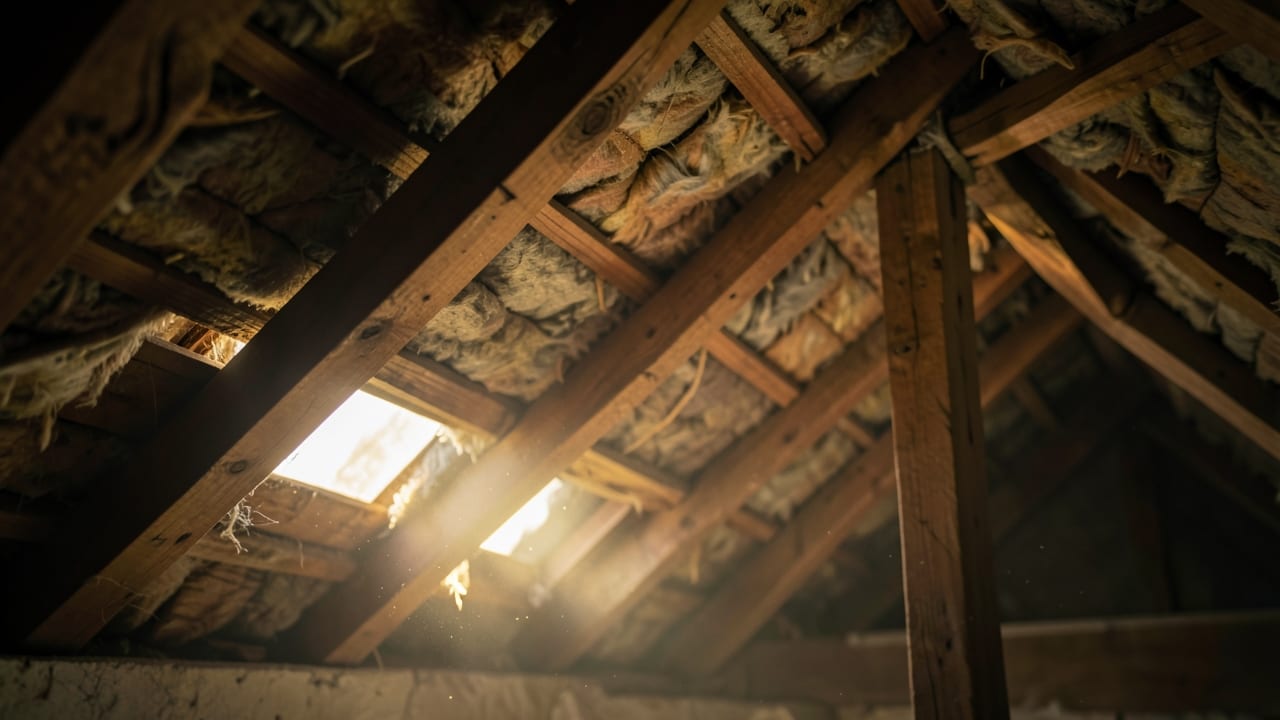
Attic Mold Remediation in Park Hall, MD
Attic mold remediation in Park Hall, MD addresses roof-deck growth typically caused by poor ventilation or a hidden roof leak.
Learn More
Commercial Mold Remediation in Park Hall, MD
Commercial mold inspection and remediation in Park Hall, MD for offices, retail space, and multi-unit properties, scheduled around business operations.
Learn MoreCommon Questions About Mold Remediation in Park Hall
Everything you need to know about mold remediation services in Park Hall
How much does HOA Mold Remediation typically cost in Park Hall, MD?
Why does Park Hall, MD's humidity make mold a bigger risk than in drier regions?
Is it safe to stay in the home during mold remediation?
Can small mold problems be handled without hiring anyone?
What's the actual difference between mold removal and mold remediation?
Is a final clearance test part of a typical mold remediation job?
Need Mold Remediation in Park Hall?
Connect with local providers in Park Hall for a detailed quote.
⏰ We answer your call • Serving all of Park Hall and surrounding areas