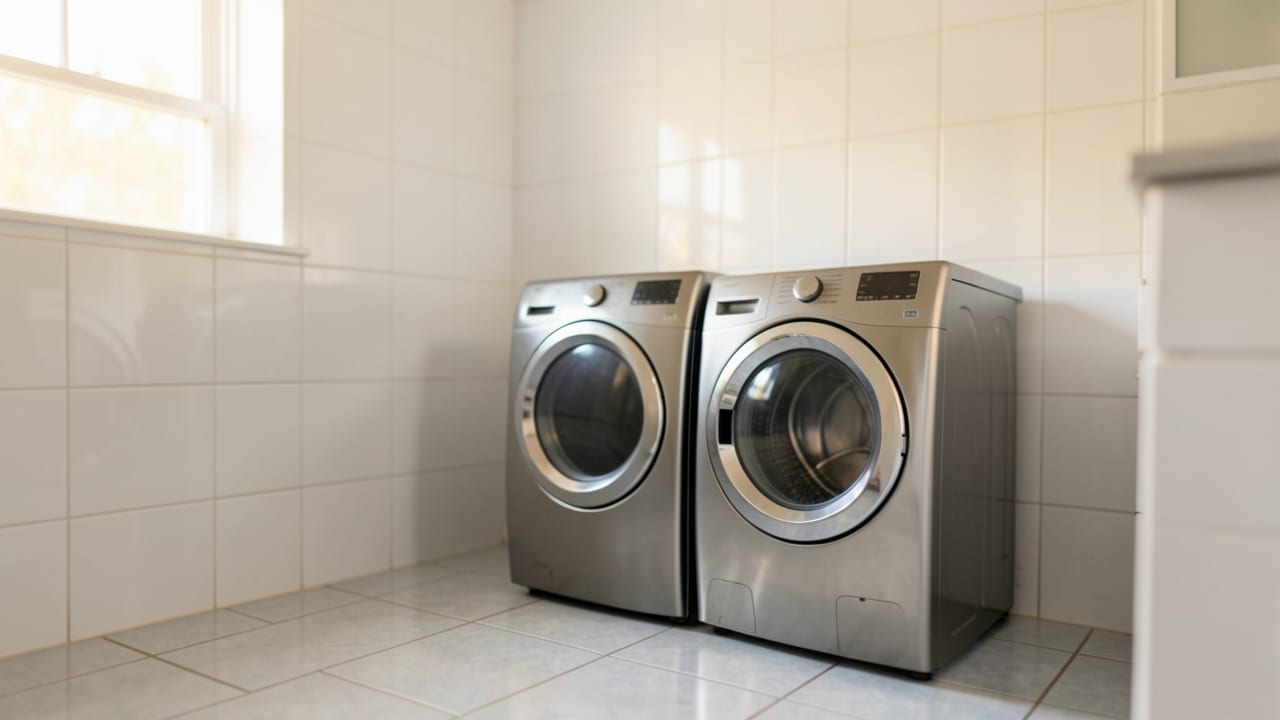
Laundry Room Mold Cleanup
Professional mold removal and remediation in laundry rooms to restore a safe, clean space.
Laundry room mold cleanup in Park Hall, MD, addresses moisture-related mold growth caused by leaks, poor ventilation, or high humidity. Professional remediation includes containment, removal of contaminated materials, HEPA filtration, and structural drying to prevent regrowth and protect your home’s air quality.
When laundry room mold needs professional attention
Mold in a laundry room often starts small but can quickly spread if moisture issues persist. While minor surface mold may be wiped down, certain signs indicate the need for professional remediation. These include mold covering more than a small, isolated patch—typically over 25 square feet—or recurring growth after cleaning.
We also handle Water Damage Restoration and Crawl Space & Basement Mold Remediation for Park Hall properties.
A musty odor with no visible mold, especially when the HVAC system runs, may signal hidden mold in walls, ductwork, or under flooring.
Poor ventilation, leaks, or condensation are common root causes. If mold keeps reappearing in the same spot, the moisture source likely hasn’t been addressed. Professional remediation ensures the problem is fully resolved, not just masked.
Ignoring these signs can lead to structural damage, health concerns, and higher costs down the line.
Signs Professional Mold Remediation Is Needed
- Mold covers more than 25 square feet in one area (a common threshold for professional work).
- Mold keeps returning after cleaning, suggesting an unresolved moisture source.
- A musty smell persists even when no visible mold is present, possibly indicating hidden growth.
- The mold is black or dark green, which may signal toxic strains like *Stachybotrys chartarum*.
- Mold appears in multiple rooms or spreads quickly despite efforts to contain it.
What affects the cost and timeline of laundry room mold cleanup
The cost and duration of mold remediation depend on the size of the affected area, the type of mold, and the materials involved. Surface-level mold on non-porous materials like tile or glass typically requires less work than mold embedded in drywall or carpet padding.
Structural drying and containment add time and expense, especially in larger or poorly ventilated spaces. Hidden mold behind walls or under flooring may extend the job and increase costs due to additional demolition and repairs.
Post-remediation clearance testing is often priced separately and ensures the work is effective. Skipping this step can lead to unresolved contamination. Pricing also varies based on whether the moisture source is identified and fixed during the job.
Without addressing leaks, condensation, or ventilation issues, mold is likely to return, potentially requiring repeat remediation.
Common mistakes to avoid during mold remediation
DIY attempts often miss critical steps like proper containment or HEPA filtration, allowing spores to spread to unaffected areas. Using standard shop vacuums or non-HEPA air scrubbers recirculates spores instead of capturing them, worsening contamination.
Without fixing the moisture source—such as a leak or poor ventilation—mold will likely return within months, making the initial cleanup ineffective.
Skipping clearance testing after remediation leaves no confirmation that spore levels are back to normal. Some contractors may pressure homeowners into signing contracts during the inspection visit, leaving little time to compare bids or ask questions.
Always request a written scope of work and verify that the contractor follows Maryland’s Home Improvement Commission guidelines, even though a state-specific mold license is no longer required.
Avoid bids that exclude containment, clearance testing, or a written scope of work. Verbal estimates without itemized details make it impossible to compare services or hold the contractor accountable. Pressure to sign during the inspection visit is another warning sign—legitimate scopes take time to prepare.
How laundry room mold cleanup works
- 1Containment Setup
Plastic sheeting and negative-air machines seal off the work area to prevent spores from spreading during removal. This step ensures contaminated air stays within the contained zone rather than circulating through the home.
- 2Removal of Contaminated Materials
Porous materials like drywall, insulation, or carpet padding—where mold grows deep—are cut out and bagged inside containment. Non-porous surfaces like tile or framing are scrubbed and treated to kill remaining spores.
- 3HEPA Filtration and Cleanup
HEPA air scrubbers run continuously to capture airborne spores, while surfaces are vacuumed with HEPA-filtered equipment. Standard shop vacuums or non-HEPA filters fail to trap spores, allowing them to recirculate.
- 4Structural Drying
Industrial dehumidifiers and air movers dry framing and subfloors to normal moisture levels. Mold regrows on damp materials even after visible traces are removed, so drying is critical to long-term prevention.
- 5Clearance Testing
An independent lab tests air or surfaces post-remediation to confirm spore counts are back to normal. This step verifies the work was effective and helps prevent future recurrence.
Frequently asked questions
How do I know if my laundry room mold is dangerous?
Most household mold is not immediately toxic, but black or dark green mold (like *Stachybotrys chartarum*) may produce mycotoxins. If you or family members experience respiratory issues, skin irritation, or allergies after exposure, professional remediation is advisable to reduce health risks.
Will insurance cover laundry room mold cleanup?
Homeowners insurance may cover mold remediation if it resulted from a covered event like a burst pipe or storm damage. However, gradual issues like poor ventilation or long-term leaks are typically excluded. Check your policy or consult your insurer before proceeding.
How long does it take to remediate mold in a laundry room?
The timeline depends on the extent of contamination, drying requirements, and whether hidden mold is discovered. Surface-level mold may take 1–3 days, while embedded growth or structural drying can extend the process to a week or longer.
Can I prevent mold from returning after cleanup?
Fixing the moisture source—such as repairing leaks, improving ventilation, or using a dehumidifier—is the best way to prevent regrowth. Regularly checking humidity levels and addressing dampness promptly helps maintain a mold-free laundry room.
See Hughesville, MD for more, or browse everything on offer in Park Hall in one place for our complete lineup.
Ready to get started?
Talk to a local mold remediation pro in Park Hall — get a written quote.
Other Mold Remediation Services in Park Hall
Water Damage Restoration in Park Hall, MD
Water damage restoration in Park Hall, MD — extraction and structural drying to stop mold growth before it starts, following a leak, storm, or flood.
Learn More
Crawl Space & Basement Mold Remediation in Park Hall, MD
Crawl space and basement mold remediation in Park Hall, MD addresses the two areas of a property most prone to trapped, unnoticed moisture.
Learn More
Attic Mold Remediation in Park Hall, MD
Attic mold remediation in Park Hall, MD addresses roof-deck growth typically caused by poor ventilation or a hidden roof leak.
Learn More
Commercial Mold Remediation in Park Hall, MD
Commercial mold inspection and remediation in Park Hall, MD for offices, retail space, and multi-unit properties, scheduled around business operations.
Learn More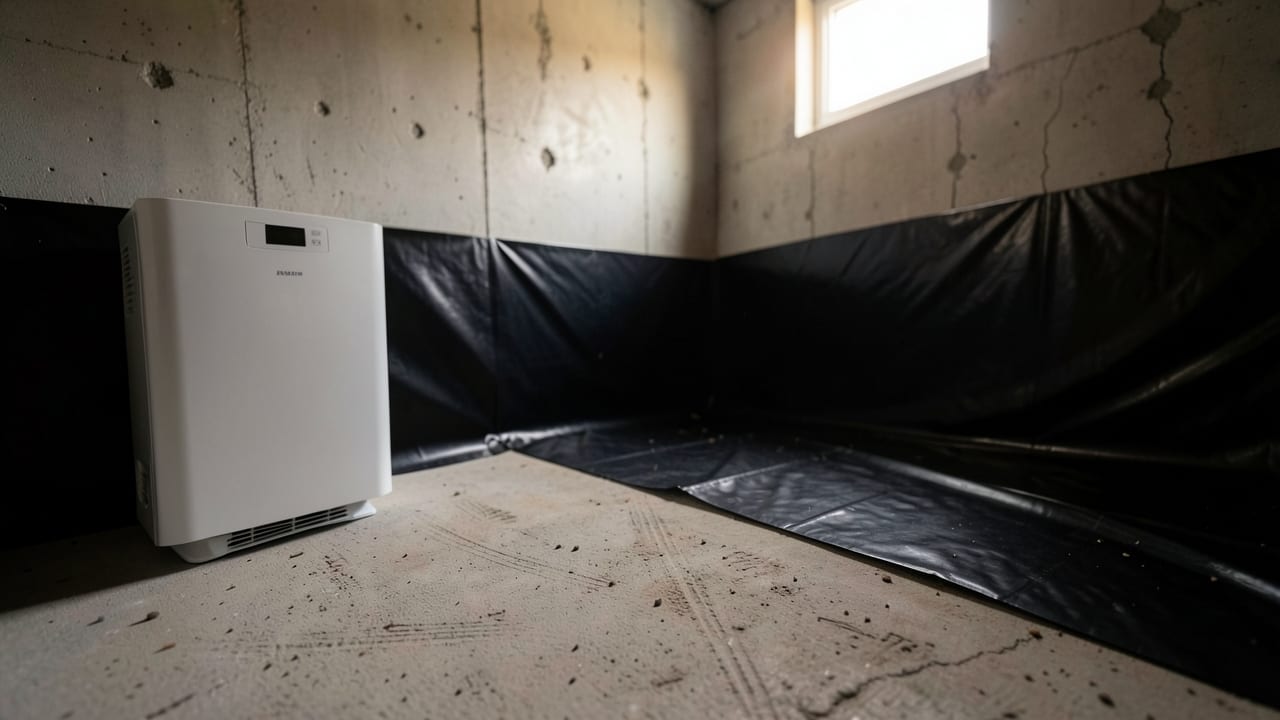
Mold Prevention & Moisture Control in Park Hall, MD
Mold prevention and moisture control in Park Hall, MD — addressing ventilation, humidity, and drainage before growth starts, not after.
Learn More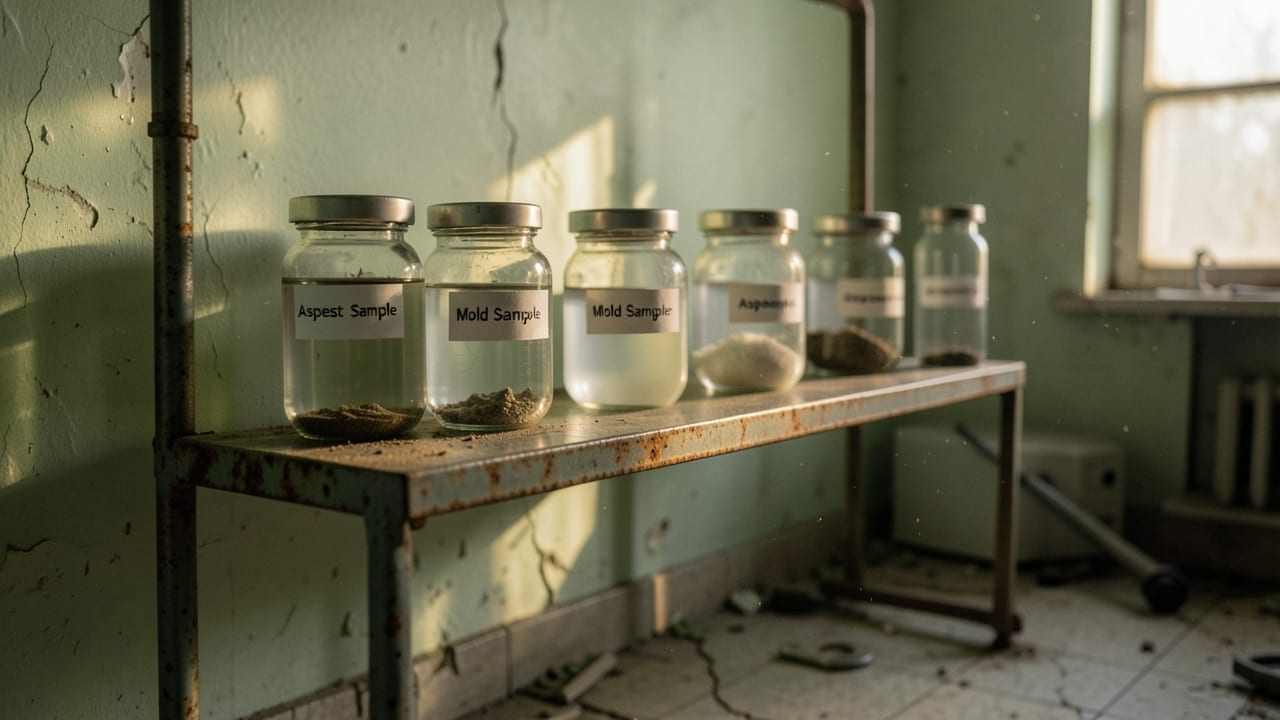
Mold & Asbestos Testing in Park Hall, MD
Combined mold and asbestos testing in Park Hall, MD — one inspection visit, lab-verified results for both.
Learn MoreCommon Questions About Mold Remediation in Park Hall
Everything you need to know about mold remediation services in Park Hall
How much does Laundry Room Mold Cleanup typically cost in Park Hall, MD?
Why does Park Hall, MD's humidity make mold a bigger risk than in drier regions?
What's the actual difference between mold removal and mold remediation?
Is a final clearance test part of a typical mold remediation job?
How does mold remediation actually prevent the problem from coming back?
Can mold growing inside HVAC ductwork spread to the rest of a home?
Need Mold Remediation in Park Hall?
Connect with local providers in Park Hall for a detailed quote.
⏰ We answer your call • Serving all of Park Hall and surrounding areas