
Move-In Mold Assessment
Professional inspection and assessment of mold presence before moving into a property.
A move-in mold assessment in Park Hall, MD, helps homeowners identify hidden or visible mold growth before occupying a property. Trained inspectors examine walls, ceilings, basements, and HVAC systems to detect moisture issues and contamination, providing a detailed report to guide remediation decisions.
This service ensures a safer living environment by addressing potential mold problems early.
We also handle Sewer Backup Mold Cleanup and Apartment Mold Remediation for Park Hall properties.
Why a move-in mold assessment matters
Mold can hide behind walls, under floors, or inside HVAC systems, making it difficult to detect without professional tools. A move-in assessment uses visual inspections, moisture meters, and thermal imaging to uncover hidden issues that could lead to health concerns or structural damage over time.
Addressing these problems before moving in saves money and prevents long-term complications.
Common signs that warrant an assessment include persistent musty odors, visible mold stains, past leaks, or unexplained health symptoms when in specific rooms. Ignoring these signs can allow mold to spread, making remediation more extensive and costly later.
An assessment provides clarity on whether mold is present and, if so, how to address it effectively.
Signs You May Need an Assessment
- A persistent musty or earthy smell in closets, bathrooms, or crawl spaces that doesn’t go away with airing out.
- Visible mold growth—black, green, brown, or dark speckles—on drywall, grout, window frames, or under carpets.
- A history of leaks or floods that were cleaned up but never professionally inspected for hidden moisture.
- Health symptoms (sneezing, headaches, itchy eyes) that improve when you leave a specific room.
What the assessment includes
A thorough move-in mold assessment covers visual inspections, moisture detection, air and surface sampling, and lab analysis. The process begins with a walkthrough to identify visible mold and moisture issues, followed by targeted sampling in affected and unaffected areas.
Results are sent to an independent lab for accurate species identification and spore concentration.
The final report details affected materials, the likely moisture source, and the square footage involved. This document serves as a roadmap for remediation, ensuring any work is scoped accurately and legally compliant with Maryland’s Tenant Mold Protection Act.
Without identifying the moisture source, remediation risks failing because the problem could return.
Preventing mold before it starts
Mold thrives in damp environments, so controlling indoor humidity and fixing leaks quickly are the best defenses. Keeping humidity below 50%—especially in basements and bathrooms—reduces the risk of mold growth.
Small leaks, like a dripping pipe or minor roof issue, should be addressed within days to prevent moisture from seeping into walls or floors.
Simple habits, like running bathroom exhaust fans for 20–30 minutes after showers, help clear excess humidity. Seasonal checks of crawl spaces or basements with a flashlight can catch developing issues early, while they’re still manageable.
These steps don’t replace professional assessments but significantly lower the chances of hidden mold taking hold.
| Habit | Why It Helps | How to Do It |
|---|---|---|
| Keep humidity under 50% | Mold struggles to grow in dry conditions | Use a hygrometer to monitor levels; open windows or use a dehumidifier if needed |
| Fix leaks within days | Prevents moisture from spreading into walls or floors | Check pipes, roofs, and windows regularly for drips or condensation |
| Run bathroom fans post-shower | Removes humidity that settles into grout and drywall | Leave the fan on for 20–30 minutes after showering |
| Inspect crawl spaces seasonally | Catches early signs of moisture or mold | Use a flashlight to check for dampness, stains, or musty smells |
How a move-in mold assessment works
A professional assessment follows a structured process to identify mold and moisture issues.
- 1Visual and Moisture Inspection
An inspector examines every room for visible mold, staining, or musty odors. Moisture meters and thermal imaging detect hidden dampness in walls, floors, or ceilings, mapping affected areas before sampling.
- 2Air and Surface Sampling
Samples are collected from suspect areas and one unaffected room (as a control) using spore traps and surface swabs. This ensures lab results can compare mold levels to a baseline, not just judge them in isolation.
- 3Independent Lab Analysis
Samples are sent to a third-party lab for species identification and spore concentration testing. Results typically return in 2–5 business days, providing objective data for remediation planning.
- 4Moisture Source Diagnosis
The inspector traces moisture back to its origin—whether from roof leaks, plumbing issues, poor grading, or condensation—to address the root cause and prevent recurrence.
- 5Written Scope Report
Findings are documented in a report detailing affected materials, moisture sources, and square footage. This report guides remediation and ensures compliance with Maryland’s Tenant Mold Protection Act.
Frequently asked questions
What should I do if I notice mold or a musty smell before moving in?
Schedule a move-in mold assessment immediately. Visible mold or persistent odors indicate potential contamination, and an assessment will determine whether professional remediation is needed before occupancy.
Can mold grow in places I can’t see, like behind walls or under floors?
Yes. Mold often hides in damp wall cavities, subfloors, or HVAC systems. Moisture meters and thermal imaging during an assessment can reveal hidden growth that isn’t visible to the naked eye.
What happens if the assessment finds mold but no clear moisture source?
The inspector will investigate further to identify the source, as addressing the moisture is critical to preventing mold from returning. Without fixing the root cause, remediation may not be effective long-term.
Do I need to be home during the assessment?
No. The inspector can access the property independently to perform the walkthrough, sampling, and inspections. However, pointing out areas of concern—like past leaks or musty-smelling rooms—can help focus the assessment.
See Great Mills, MD for more, or check out our complete Park Hall service list for our complete lineup.
Ready to get started?
Talk to a local mold remediation pro in Park Hall — get a written quote.
Other Mold Remediation Services in Park Hall
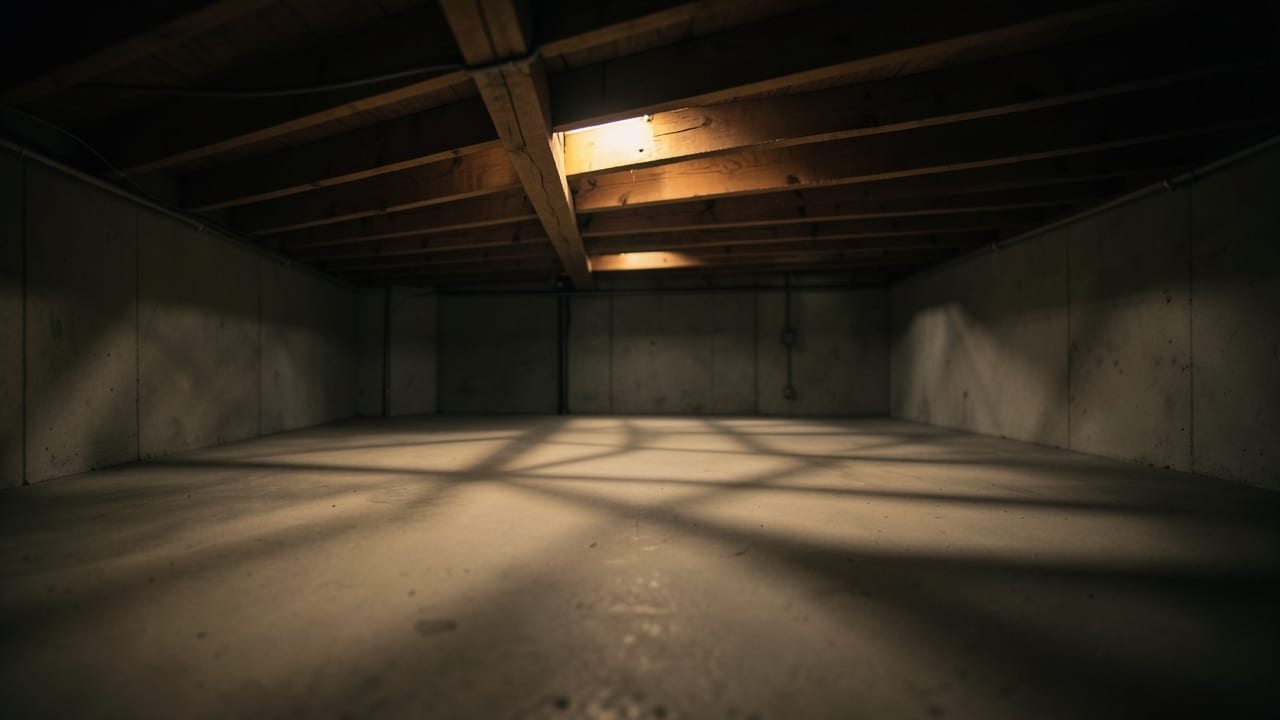
Sewer Backup Mold Cleanup in Park Hall, MD
Professional cleanup of mold caused by sewer backups in homes.
Learn More
Apartment Mold Remediation in Park Hall, MD
Professional mold removal and remediation for apartments to restore safe living conditions.
Learn More
Rental Property Mold Cleanup in Park Hall, MD
Professional mold removal and remediation for rental properties to restore safe living conditions.
Learn More
School Mold Remediation in Park Hall, MD
Professional mold removal and remediation in schools to ensure a safe, healthy environment.
Learn More
Wood Furniture Mold Remediation in Park Hall, MD
Professional removal and treatment of mold from wood furniture to restore safety and appearance.
Learn More
Tile & Grout Mold Cleanup in Park Hall, MD
Professional removal of mold from tile and grout surfaces in bathrooms, kitchens, and other tiled areas.
Learn MoreCommon Questions About Mold Remediation in Park Hall
Everything you need to know about mold remediation services in Park Hall
How much does Move-In Mold Assessment typically cost in Park Hall, MD?
Why does Park Hall, MD's humidity make mold a bigger risk than in drier regions?
What's the actual difference between mold removal and mold remediation?
Is a final clearance test part of a typical mold remediation job?
How does mold remediation actually prevent the problem from coming back?
Can mold growing inside HVAC ductwork spread to the rest of a home?
Need Mold Remediation in Park Hall?
Connect with local providers in Park Hall for a detailed quote.
⏰ We answer your call • Serving all of Park Hall and surrounding areas